
What is magnesium casting? Properties and advantages
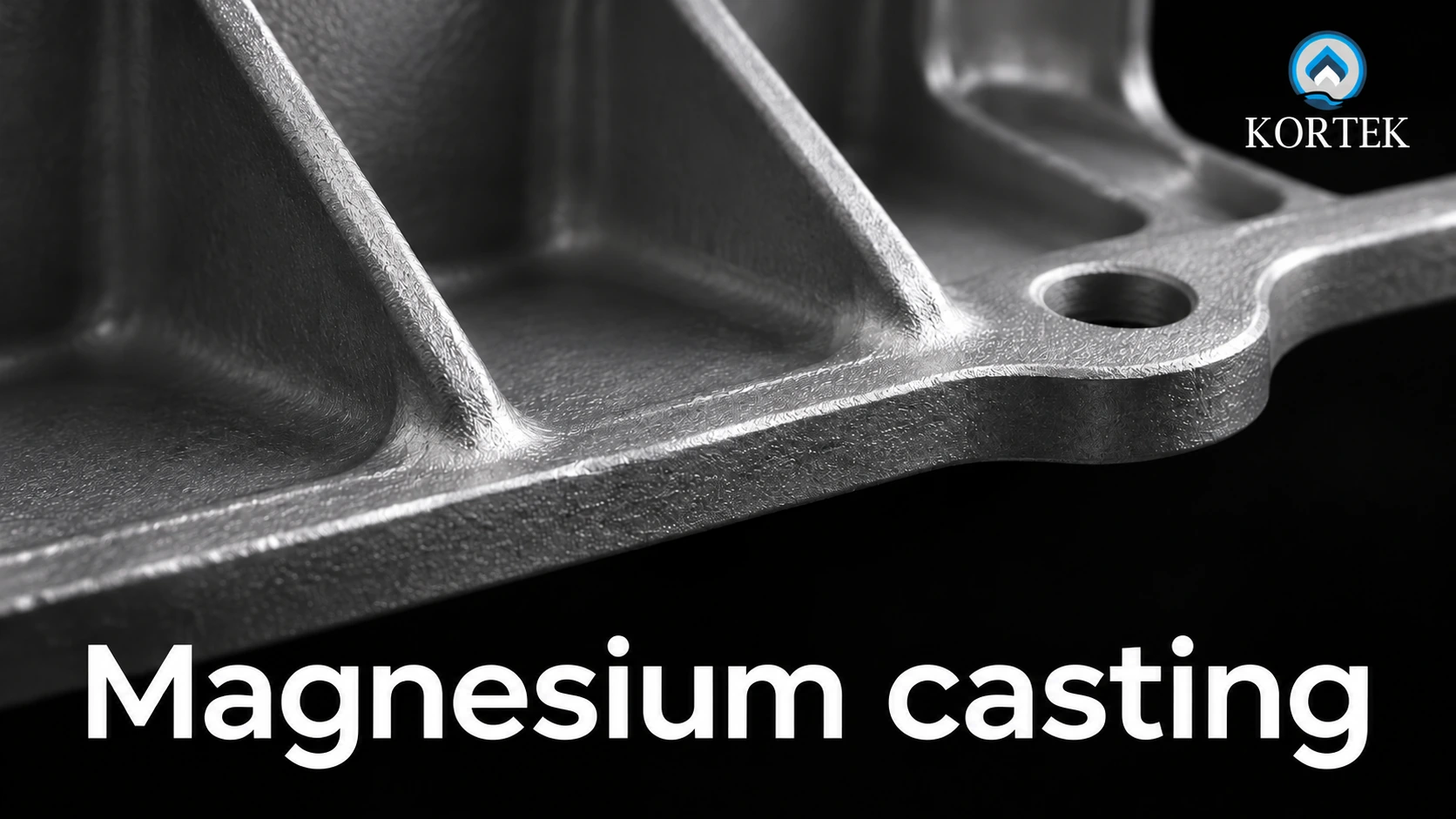
Magnesium casting is the process of melting a magnesium-based alloy, transferring it into a mould and allowing it to solidify into a metal component. After removal from the mould, the component undergoes finishing operations such as cleaning, machining and inspection, depending on its intended use. The alloy and casting method are considered alongside the shape of the component, the required properties and the production quantity.
Methods used in magnesium casting
Permanent mould casting uses reusable metal moulds. In sand casting, a sand-based mould defines the shape of the component. These methods differ in their mould construction, filling process and production conditions.
The suitability of each method depends on factors such as component geometry, alloy and quantity. For example, a complex component may have different mould requirements from a part produced in large quantities. During the technical evaluation, we clarify which method may suit your project within the scope of our production capabilities.
Magnesium alloys and material selection
Magnesium alloys gain different properties from the elements added to pure magnesium. Aluminium and zinc are prominent in the AZ series, while yttrium and rare earth elements feature in the WE series. Even within these families, alloys differ in how they are processed and where they are used.
One of the alloys commonly used in magnesium casting is AZ91. WE43 may also be selected for components that require strength at elevated temperatures. AZ31 is more commonly found in sheet products and extruded profiles.
When selecting an alloy for your component, consider its intended load, operating temperature and manufacturing method together.
What lower weight means in everyday use
In a handheld measuring instrument, reducing the weight of the housing makes the device easier to use. The amount of weight saved depends on the dimensions and wall thickness of the housing.
For example, the housing’s mounting points must still be able to carry the loads applied during use after the device has been made lighter.
Strength and component geometry
With a suitable design, casting allows features such as mounting points and supporting sections to be combined in a single component. An equipment bracket, for example, may need both to carry a load and to fit correctly with another part. The mechanical properties of the material and the geometry of the component work together to fulfil this function. Changes in alloy, wall thickness and connection design can also change how the component behaves.
Why does vibration behaviour matter?
The vibration damping properties of magnesium alloys can offer an additional benefit alongside low weight in some applications. However, not every alloy or component delivers the same result. Vibration behaviour in the finished product depends on its geometry, connections and other components as well as the material. Assessment therefore needs to be specific to the component and the system.
Applications and environmental conditions
Vehicle components, electronic devices and portable equipment are among the general applications of magnesium alloys. These examples show the kinds of requirements the material can address. Each application has its own load, temperature and environmental conditions. At Kortek, we assess the production scope of a component against the technical requirements of that particular project.
Direct contact between dissimilar metals in a damp environment can increase the risk of galvanic corrosion when conditions allow. This makes surface protection and connection design important. A coating helps limit the surface’s exposure to its surroundings, while managing contact between dissimilar metals also helps reduce corrosion risk. The protection required varies with the component’s operating environment.
Magnesium casting at Kortek
Our production capabilities include casting aluminium, magnesium and zinc alloys. We check the chemical composition of the alloy before casting. Our machine shop also has facilities such as CNC vertical machining, turning and milling. The machining and inspection operations required for a casting depend on the technical requirements of the project.
To request a quotation, you can send us your technical drawing or 3D model. Please also include the number of components you need, where they will be used and any preferred alloy. With this information, we can discuss the casting method, mould requirements and which surfaces will need machining after casting.
Sources: International Magnesium Association | Magnesium: The Lightest Structural Metal · US Department of Energy | Lightweight Materials for Cars and Trucks